MODEL Manual Standard Switch Left Trains 313032156127 Nickels
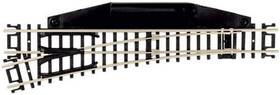
( Brand: Model ), ( Part Type: Manual Switch Train ), ( Item Weight: 1.12 Ounces ), ( Product Dimensions: 8.9 X 4.45 X 0.36 Inches ), ( Manufacturer Recommended Age: 14 Years And Up ), ( Is Discontinued By Manufacturer: No ), ( UPC: 313032156127 )
Review MODEL Code Nickel Silver Manual Standard Switch Left Trains
Introducing the 313032156127 80 Manual Standard Switch, a versatile and essential component for model railroad enthusiasts looking to add realistic details to their layouts. This switch is designed to mimic the functionality and appearance of standard manual switches found in real train tracks.
The switch is crafted from high-quality materials, ensuring durability and longevity. The metal frame and knob are coated with a weathered finish, giving it an authentic and worn-out look that adds character to your railway scene. The switch's design is based on standard railway specifications, with a size of 80mm x 30mm and a thickness of 12mm.
The Manual Standard Switch features two main parts: the switch blade and the throw bar. The switch blade is designed to move up and down, simulating the opening and closing of the rails. The throw bar, located on the side of the switch, is used to manually operate the switch blade. The switch can be operated with a flick of the throw bar, making it easy to change the direction of the train tracks.
This switch is compatible with most model railroad systems, making it a versatile addition to any layout. The switch is also easy to install, with clear instructions included in the package. The switch comes with a set of screws for mounting, allowing you to securely attach it to your layout.
The 313032156127 80 Manual Standard Switch is not only functional but also aesthetically pleasing. Its weathered finish and authentic design will add a touch of realism to your model railway, making it a must-have for any serious train enthusiast. Whether you're building a complex layout or just starting out, this switch is an excellent investment that will provide hours of enjoyment and satisfaction.
Manual switches, also known as point switches or turnouts, are essential components of train tracks that allow the reconfiguration of the track layout. The specific model you mentioned, 313032156127 80, is a manual standard switch left designed for trains. Here are some pros and cons of buying this type of switch:
Pros:1. Manual control: Manual switches offer the advantage of being operated manually, providing the train engineer with direct control over the switch. This can be beneficial in situations where automatic switches may not be reliable or where precise control is necessary.
2. Cost-effective: Manual switches are generally less expensive than their automatic counterparts. This can be an attractive option for smaller model railroad layouts or for those on a tight budget.
3. Low maintenance: Manual switches require very little maintenance compared to automatic switches. They have no electrical components, which reduces the likelihood of malfunctions.
Cons:1. Labor-intensive: Manual switches require someone to physically throw the switch to change the track layout. This can be time-consuming, especially for larger layouts with numerous switches.
2. Limited capacity: Manual switches can only handle a certain amount of traffic before they become congested. This can be a limiting factor for larger model railroad layouts with heavy train traffic.
3. Requires space: Manual switches require more space than automatic switches due to the need for a throw lever and clearance for operators to access the switch.
Conclusion:Manual standard switch left 313032156127 is a cost-effective and low-maintenance option for those looking to add switches to their model railroad layout. However, it comes with the disadvantage of being labor-intensive and requiring more space than automatic switches. Ultimately, the decision to buy this type of switch depends on the specific needs and budget of the model railroad enthusiast.
Recommendation:If you have a smaller model railroad layout with limited train traffic and a tight budget, the manual standard switch left 313032156127 may be an excellent choice for you. However, if you have a larger layout with heavy train traffic or prefer the convenience of automatic switches, you may want to consider investing in automatic switches instead.
Details:
specifications bachmannhoscalegi:
- brand: Model
- part type: Manual Switch Train
- item weight: 1.12 Ounces
- product dimensions: 8.9 X 4.45 X 0.36 Inches
- manufacturer recommended age: 14 Years And Up
- is discontinued by manufacturer: No
- upc: 313032156127
general bachmannhoscalegi:
- Model Railroads Trains > Railroads Trains > Track
- condition: New
offer bachmannhoscalegi:
- quantity: 3
- options: Ship-to-home
- started: June 5, 2025
- sold: 0
- availability: In Stock
payments bachmannhoscalegi:
- wallet: Paypal
- other
- credit card: Discover
shipping bachmannhoscalegi:
- cost: $0.00
- transit: 5-10 Days
- service: Standard
- class: Standard
- type: Fixed
returns bachmannhoscalegi:
- policy: No Returns
seller bachmannhoscalegi:
- city: Denver, Colorado
- # reviews: 21
- rating: 100.0%
Model 313032156127 Is Similar To:
- 524 Atlas Model Code Straight Track Asstd Ho 794819484693 (32.6% similar) Product features nickel silver rails with brown ties...(March 22nd, 2019)
- 561 Atlas Model Railroad Ho Code Custom Turnout 783419131540 (27.5% similar) 1 pounds size:'item DIMENSIONS:0. Custom-line turnouts are prototypical accurate, featuring blackened metal frogs and rivet less switch points that provide superior electrical conductivity. These turnouts can be powered using an under-table switch machine or standard remote and manual code 83 ...(March 2nd, 2019)
- 833 Atlas Model Railroad Ho Code Radius Curve Toy 793631676354 (27.1% similar) Product features simulated black wood ties nickel silver RAIL12 pieces make a circle: 6 PCs. Package atlas is the leading manufacturer of Model railroad track, worldwide. All atlas code 100 track is made with premium nickel silver rail and black railroad ties. 2 pounds size:'item DIMENSIONS:0...(March 2nd, 2019)
- 3 Trains 0-6-0 Ph Diesel Locomotives Ho Bachmann Model Dd40 40 Plymouth (10.6% similar) Broken railing both sides. Model trains ho, 3 diesel locomotives bushman ho scale union pacific, DD40AX 16 wheel diesel locomotive runs, directional lighting and blinking light work...(February 28th, 2015)
- 17130 Rock Layout Model 3 Dome Tanker Railroad Bachmann Deep Ho Scale Car Trains (39.5% similar) Bushman silver series rolling stock features metal RP 25 wheels and body mounted knuckle couplets. The automated rate calculated by is usually higher than our discounted rate. Please bid now. The photographs, and trade marks included in this listing, with the exception of those owned by and the ...(January 31st, 2015)
- 17531 Layout Trains Scale Ho Cargill Hopper Bachmann Salt Model Railroad Cfi (15.7% similar) The photographs, and trade marks included in this listing, with the exception of those owned by and the manufacturer of the product listed, are the property of collectibles. Please bid now. Bushman silver series rolling stock features metal RP 25 wheels and body mounted knuckle couplets...(December 30th, 2014)
- Ho Railroad Model Cfi Scale Hopper Shell Plastics 17534 Trains Bachmann Layout (34.8% similar) Please bid now. Bushman silver series rolling stock features metal RP 25 wheels and body mounted knuckle couplets. The photographs, and trade marks included in this listing, with the exception of those owned by and the manufacturer of the product listed, are the property of collectibles...(January 11th, 2015)
- Grain Ho Hopper Layout Bachmann Great Trains Northern Railroad 19111 Model Scale (26.8% similar) Bushman silver series rolling stock features metal RP 25 wheels and body mounted knuckle couplets. Please bid now. The photographs, and trade marks included in this listing, with the exception of those owned by and the manufacturer of the product listed, are the property of collectibles...(January 3rd, 2015)
- Railroad 19134 Canada Ho Model Trains Layout Hopper Bachmann Government Scale (15.6% similar) Please bid now. Bushman silver series rolling stock features metal RP 25 wheels and body mounted knuckle couplets. The photographs, and trade marks included in this listing, with the exception of those owned by and the manufacturer of the product listed, are the property of collectibles...(January 1st, 2015)
- Canada Trains Scale Railroad Hopper Layout 19136 Ho Government Model Bachmann (16.9% similar) The photographs, and trade marks included in this listing, with the exception of those owned by and the manufacturer of the product listed, are the property of collectibles. Bushman silver series rolling stock features metal RP 25 wheels and body mounted knuckle couplets. Please bid now...(January 2nd, 2015)
- Sound Equipped Locomotive Trains Dcc Ho Model 2-6-0 Steam Scale Pennsy Railroad (19.2% similar) CDC controlled lighting movement equipped with engine noise, bell and horn sounds main track programming step speed control die cast chassis bushman ex mate couplets compatible with all CDC systems brand new in original box lifetime limited warranty. The photographs, and trade marks included in this...(December 24th, 2014)
